Saturday, November 26, 2011

Cataract


What is a cataract?


A cataract is a clouding of the lens in the eye that affects vision. Most cataracts are related to aging. Cataracts are very common in older people. By age 80, more than half of all Americans either have a cataract or have had cataract surgery.
A cataract can occur in either or both eyes. It cannot spread from one eye to the other.
Image of the eye

What is the lens?

The lens is a clear part of the eye that helps to focus light, or an image, on the retina. The retina is the light-sensitive tissue at the back of the eye.
In a normal eye, light passes through the transparent lens to the retina. Once it reaches the retina, light is changed into nerve signals that are sent to the brain.
The lens must be clear for the retina to receive a sharp image. If the lens is cloudy from a cataract, the image you see will be blurred.

Are there other types of cataract?

Yes. Although most cataracts are related to aging, there are other types of cataract:
  1. Secondary cataract. Cataracts can form after surgery for other eye problems, such as glaucoma. Cataracts also can develop in people who have other health problems, such as diabetes. Cataracts are sometimes linked to steroid use.
  2. Traumatic cataract. Cataracts can develop after an eye injury, sometimes years later.
  3. Congenital cataract. Some babies are born with cataracts or develop them in childhood, often in both eyes. These cataracts may be so small that they do not affect vision. If they do, the lenses may need to be removed.
  4. Radiation cataract. Cataracts can develop after exposure to some types of radiation.

Causes and Risk Factors


What causes cataracts?

The lens lies behind the iris and the pupil. It works much like a camera lens. It focuses light onto the retina at the back of the eye, where an image is recorded. The lens also adjusts the eye's focus, letting us see things clearly both up close and far away. The lens is made of mostly water and protein. The protein is arranged in a precise way that keeps the lens clear and lets light pass through it.
But as we age, some of the protein may clump together and start to cloud a small area of the lens. This is a cataract. Over time, the cataract may grow larger and cloud more of the lens, making it harder to see.
Researchers suspect that there are several causes of cataract, such as smoking and diabetes. Or, it may be that the protein in the lens just changes from the wear and tear it takes over the years.

How can cataracts affect my vision?

Age-related cataracts can affect your vision in two ways:
  1. Clumps of protein reduce the sharpness of the image reaching the retina.
    The lens consists mostly of water and protein. When the protein clumps up, it clouds the lens and reduces the light that reaches the retina. The clouding may become severe enough to cause blurred vision. Most age-related cataracts develop from protein clumpings.
    When a cataract is small, the cloudiness affects only a small part of the lens. You may not notice any changes in your vision. Cataracts tend to "grow" slowly, so vision gets worse gradually. Over time, the cloudy area in the lens may get larger, and the cataract may increase in size. Seeing may become more difficult. Your vision may get duller or blurrier.
  2. The clear lens slowly changes to a yellowish/brownish color, adding a brownish tint to vision.
    As the clear lens slowly colors with age, your vision gradually may acquire a brownish shade. At first, the amount of tinting may be small and may not cause a vision problem. Over time, increased tinting may make it more difficult to read and perform other routine activities. This gradual change in the amount of tinting does not affect the sharpness of the image transmitted to the retina.
    If you have advanced lens discoloration, you may not be able to identify blues and purples. You may be wearing what you believe to be a pair of black socks, only to find out from friends that you are wearing purple socks.

When are you most likely to have a cataract?

The term "age-related" is a little misleading. You don't have to be a senior citizen to get this type of cataract. In fact, people can have an age-related cataract in their 40s and 50s. But during middle age, most cataracts are small and do not affect vision. It is after age 60 that most cataracts steal vision.

Who is at risk for cataract?

The risk of cataract increases as you get older. Other risk factors for cataract include:
  • Certain diseases such as diabetes.
  • Personal behavior such as smoking and alcohol use.
  • The environment such as prolonged exposure to sunlight.

What can I do to protect my vision?

Wearing sunglasses and a hat with a brim to block ultraviolet sunlight may help to delay cataract. If you smoke, stop. Researchers also believe good nutrition can help reduce the risk of age-related cataract. They recommend eating green leafy vegetables, fruit, and other foods with antioxidants.
If you are age 60 or older, you should have a comprehensive dilated eye exam at least once every two years. In addition to cataract, your eye care professional can check for signs of age-related macular degeneration, glaucoma, and other vision disorders. Early treatment for many eye diseases may save your sight.
go to the top

Symptoms and Detection


What are the symptoms of a cataract?

The most common symptoms of a cataract are:
  • Cloudy or blurry vision.
  • Colors seem faded.
  • Glare. Headlights, lamps, or sunlight may appear too bright. A halo may appear around lights.
  • Poor night vision.
  • Double vision or multiple images in one eye. (This symptom may clear as the cataract gets larger.)
  • Frequent prescription changes in your eyeglasses or contact lenses.
  • These symptoms also can be a sign of other eye problems. If you have any of these symptoms, check with your eye care professional.

How is a cataract detected?

Cataract is detected through a comprehensive eye exam that includes:
  1. Visual acuity test. This eye chart test measures how well you see at various distances.
  2. Dilated eye exam. Drops are placed in your eyes to widen, or dilate, the pupils. Your eye care professional uses a special magnifying lens to examine your retina and optic nerve for signs of damage and other eye problems. After the exam, your close-up vision may remain blurred for several hours.
  3. Tonometry. An instrument measures the pressure inside the eye. Numbing drops may be applied to your eye for this test.
Your eye care professional also may do other tests to learn more about the structure and health of your eye.
go to the top

Treatment


How is a cataract treated?

The symptoms of early cataract may be improved with new eyeglasses, brighter lighting, anti-glare sunglasses, or magnifying lenses. If these measures do not help, surgery is the only effective treatment. Surgery involves removing the cloudy lens and replacing it with an artificial lens.
A cataract needs to be removed only when vision loss interferes with your everyday activities, such as driving, reading, or watching TV. You and your eye care professional can make this decision together. Once you understand the benefits and risks of surgery, you can make an informed decision about whether cataract surgery is right for you. In most cases, delaying cataract surgery will not cause long-term damage to your eye or make the surgery more difficult. You do not have to rush into surgery.
Sometimes a cataract should be removed even if it does not cause problems with your vision. For example, a cataract should be removed if it prevents examination or treatment of another eye problem, such as age-related macular degeneration or diabetic retinopathy. If your eye care professional finds a cataract, you may not need cataract surgery for several years. In fact, you might never need cataract surgery. By having your vision tested regularly, you and your eye care professional can discuss if and when you might need treatment.
If you choose surgery, your eye care professional may refer you to a specialist to remove the cataract.
If you have cataracts in both eyes that require surgery, the surgery will be performed on each eye at separate times, usually four to eight weeks apart.
Many people who need cataract surgery also have other eye conditions, such as age-related macular degeneration or glaucoma. If you have other eye conditions in addition to cataract, talk with your doctor. Learn about the risks, benefits, alternatives, and expected results of cataract surgery.

What are the different types of cataract surgery?

There are two types of cataract surgery. Your doctor can explain the differences and help determine which is better for you:
  1. Phacoemulsification, or phaco. A small incision is made on the side of the cornea, the clear, dome-shaped surface that covers the front of the eye. Your doctor inserts a tiny probe into the eye. This device emits ultrasound waves that soften and break up the lens so that it can be removed by suction. Most cataract surgery today is done by phacoemulsification, also called "small incision cataract surgery."
  2. Extracapsular surgery. Your doctor makes a longer incision on the side of the cornea and removes the cloudy core of the lens in one piece. The rest of the lens is removed by suction.
After the natural lens has been removed, it often is replaced by an artificial lens, called an intraocular lens (IOL). An IOL is a clear, plastic lens that requires no care and becomes a permanent part of your eye. Light is focused clearly by the IOL onto the retina, improving your vision. You will not feel or see the new lens.
Some people cannot have an IOL. They may have another eye disease or have problems during surgery. For these patients, a soft contact lens, or glasses that provide high magnification, may be suggested.

What are the risks of cataract surgery?

As with any surgery, cataract surgery poses risks, such as infection and bleeding. Before cataract surgery, your doctor may ask you to temporarily stop taking certain medications that increase the risk of bleeding during surgery. After surgery, you must keep your eye clean, wash your hands before touching your eye, and use the prescribed medications to help minimize the risk of infection. Serious infection can result in loss of vision.
Cataract surgery slightly increases your risk of retinal detachment. Other eye disorders, such as high myopia (nearsightedness), can further increase your risk of retinal detachment after cataract surgery. One sign of a retinal detachment is a sudden increase in flashes or floaters. Floaters are little "cobwebs" or specks that seem to float about in your field of vision. If you notice a sudden increase in floaters or flashes, see an eye care professional immediately. A retinal detachment is a medical emergency. If necessary, go to an emergency service or hospital. Your eye must be examined by an eye surgeon as soon as possible. A retinal detachment causes no pain. Early treatment for retinal detachment often can prevent permanent loss of vision. The sooner you get treatment, the more likely you will regain good vision. Even if you are treated promptly, some vision may be lost.
Talk to your eye care professional about these risks. Make sure cataract surgery is right for you.

Is cataract surgery effective?

Cataract removal is one of the most common operations performed in the United States. It also is one of the safest and most effective types of surgery. In about 90 percent of cases, people who have cataract surgery have better vision afterward.

What happens before surgery?

A week or two before surgery, your doctor will do some tests. These tests may include measuring the curve of the cornea and the size and shape of your eye. This information helps your doctor choose the right type of IOL.
You may be asked not to eat or drink anything 12 hours before your surgery.

What happens during surgery?

At the hospital or eye clinic, drops will be put into your eye to dilate the pupil. The area around your eye will be washed and cleansed.
The operation usually lasts less than one hour and is almost painless. Many people choose to stay awake during surgery. Others may need to be put to sleep for a short time.
If you are awake, you will have an anesthetic to numb the nerves in and around your eye.
After the operation, a patch may be placed over your eye. You will rest for a while. Your medical team will watch for any problems, such as bleeding. Most people who have cataract surgery can go home the same day. You will need someone to drive you home.

What happens after surgery?

Itching and mild discomfort are normal after cataract surgery. Some fluid discharge is also common. Your eye may be sensitive to light and touch. If you have discomfort, your doctor can suggest treatment. After one or two days, moderate discomfort should disappear.
For a few days after surgery, your doctor may ask you to use eyedrops to help healing and decrease the risk of infection. Ask your doctor about how to use your eyedrops, how often to use them, and what effects they can have. You will need to wear an eye shield or eyeglasses to help protect your eye. Avoid rubbing or pressing on your eye.
When you are home, try not to bend from the waist to pick up objects on the floor. Do not lift any heavy objects. You can walk, climb stairs, and do light household chores.
In most cases, healing will be complete within eight weeks. Your doctor will schedule exams to check on your progress.

Can problems develop after surgery?

Problems after surgery are rare, but they can occur. These problems can include infection, bleeding, inflammation (pain, redness, swelling), loss of vision, double vision, and high or low eye pressure. With prompt medical attention, these problems can usually be treated successfully.
Sometimes the eye tissue that encloses the IOL becomes cloudy and may blur your vision. This condition is called an after-cataract. An after-cataract can develop months or years after cataract surgery.
An after-cataract is treated with a laser. Your doctor uses a laser to make a tiny hole in the eye tissue behind the lens to let light pass through. This outpatient procedure is called a YAG laser capsulotomy. It is painless and rarely results in increased eye pressure or other eye problems. As a precaution, your doctor may give you eyedrops to lower your eye pressure before or after the procedure.

When will my vision be normal again?

You can return quickly to many everyday activities, but your vision may be blurry. The healing eye needs time to adjust so that it can focus properly with the other eye, especially if the other eye has a cataract. Ask your doctor when you can resume driving.
If you received an IOL, you may notice that colors are very bright. The IOL is clear, unlike your natural lens that may have had a yellowish/brownish tint. Within a few months after receiving an IOL, you will become used to improved color vision. Also, when your eye heals, you may need new glasses or contact lenses.

What can I do if I already have lost some vision from cataract?

If you have lost some sight from cataract or cataract surgery, ask your eye care professional about low vision services and devices that may help you make the most of your remaining vision. Ask for a referral to a specialist in low vision. Many community organizations and agencies offer information about low vision counseling, training, and other special services for people with visual impairments. A nearby school of medicine or optometry may provide low vision services.


Friday, July 22, 2011

Cholecystectomy (Removal of the Gallbladder)

What is a cholecystectomy and why is it necessary?

Cholecystectomy is the surgical removal of the gallbladder, which is located in the abdomen beneath the right side of the liver. Gallbladder problems are usually the result of gallstones. These stones may block the flow of bile from your gallbladder, causing the organ to swell. Other causes include cholecystitis (inflammation of the gallbladder) and cholangitis (inflammation of the bile duct).

Details of the procedure

What do I need to do before surgery?

Please contact your insurance company to verify the coverage and determine whether a referral is required. You will be asked to pre-register with the appropriate hospital and provide demographic and insurance information. This must be completed at least five to ten days before the surgery date. Your surgeon will give you specific instructions on how to prepare for the procedure.

What happens on the day of surgery?

You will report to a pre-operative nursing unit, where you will change into a hospital gown. A nurse will review your chart and confirm that all the paperwork is in order. You will be taken to a pre-operative nursing unit where the anesthesiologist will start an IV. Before any medications are administered, your surgeon will verify your name and the type of procedure you are having. You will then be taken to the operating room. After the appropriate form of anesthesia is administered, surgery will be performed.

What type of anesthesia will be used?

You will have a pre-operative interview with an anesthesiologist, who will ask you questions regarding your medical history. Gallbladder removal is performed under general anesthesia, which will keep you asleep during surgery.

What happens during surgery, and how is it performed?

If your surgery is performed laparoscopically, your surgeon will make three to four small incisions and insert tube-like instruments through them. The abdomen will be filled with gas to help the surgeon view the abdominal cavity. A camera will be inserted through one of the tubes to display images on a monitor located in the operating room. Other instruments will be placed through the additional tubes. In this manner, your surgeon will be able to work inside your abdomen without having to make a larger incision.
Your surgeon will perform the gall bladder removal with the laparoscopic method unless other factors require open surgery. If the performed with the open method, a larger incision will be made in the abdomen.
Once inside, your surgeon will separate and remove the gall bladder.

What happens after the surgery?

Once the surgery is completed, you will be taken to a post-operative or recovery unit where a nurse will monitor your recovery. It is important to keep your bandages clean and dry. Your physician may prescribe medication for pain, nausea and vomiting which are not uncommon with this procedure. You will be scheduled for a follow-up appointment within two weeks after your surgery.

How long will I be in the hospital?

Although some patients may stay overnight, most go home the same day.

What are the risks associated with gallbladder removal?

As with any surgery, there are risks such as bleeding, infection, or an adverse reaction to anesthesia. Other risks include bile duct or bowel injury. Your surgeon will inform you of the risks prior to surgery.

What should I watch out for?

Be sure to call your doctor if any of the following symptoms appear:
• Fever
• Worsening pain
• Redness or swelling around the incision
• The incision is warm to the touch
• Drainage from the incision

Will there be scar(s)?

If the procedure is performed laparoscopically the incisions should heal well, leaving small discrete scars. If the open method is used, a larger scar will be present.

When can I expect to return to work and/or resume normal activities?

This varies among patients. There are no restrictions after laparoscopic gallbladder removal. You will be encouraged to return to normal activities such as showering, driving, walking up stairs, light lifting, and work as soon as you feel comfortable. Some patients can return to work in a few days, while others prefer to wait longer. You should not engage in heavy lifting or straining for six to eight weeks after open surgery. If you are taking narcotic medications for pain, you should not drive.


9 Great Tips To Losing Weight Fast

Our bodies store 2 types of fat; visceral fat and subcutaneous fat. Visceral fat is fat that builds up around our tummies, bums and thighs and is closely related to the development of type 2 diabetes and insulin resistance.
Subcutaneous fat is found all over the body beneath our skin.

More disturbingly Visceral Fat (VF) can release chemicals that can damage the arteries around the heart leading to heart disease and increase your risk of getting cancer. VF also sits very close to the liver and releases chemicals that can get into the liver easily interfering with its ability to clear insulin from your blood which in turn can lead to type 2 diabetes.

A thicker waistline can be a good indicator of VF but the good news is VF some of the first fat you lose when you start to lose weight.

Many of us assume that the quickest easiest way to lose weight is to skip meals there by cutting down calorie intake.

1. Don't skip meals

This is what happens when you skip meals; research suggests that we are biologically driven to crave certain types of food when we are hungry. If you skip breakfast and you get really hungry your brain tries to compensate by urging you to crave high calorie foods – a dieting disaster! That's because your brain is responding to a powerful signal that comes from a hormone called ghrelin.

When our stomachs are empty ghrelin sends a message to our brains that says ‘fill me up now' and that triggers a powerful urge to eat high calorie food to compensate.

So the first tip to losing weight is DON'T SKIP MEALS because our brain has a really primitive response to this making us crave high calorie high fat foods to compensate and will power may not be enough to fight it!

2. Change your plate size

A simple trick to add to your diet is to change your plate size, down from a 12-inch diameter plate to a 10-inch plate.

Various experiments have been done with this eg. in one study a cinema audience was given 2 different size tubs of popcorn; small and large and were asked to eat as much popcorn as they wanted during a film. Both sizes of container were large enough so the audience could eat their fill but large enough so that they were unable to finish the tubs.

The audience who were given the larger tubs ate more than those who were given the smaller tubs not because they were any hungrier but just because they were given more to eat.

When more food was available to them they couldn't stop even when they were full, they just kept on eating more. Experiments like this show that if you increase your portion size by using a larger plate or bowl you'll tend to each much more. So the 2nd simple tip if you want to stop eating when you are full is to simply reduce your plate or bowl size. If you put less food on your plate you could end up eating up to 22% less food overall.

3. Choose lower calorie food versions of the food you eat

But losing weight is not all about plate size you also need to know what to put on your plate.

Did you know that you can actually eat more and still lose weight! by understanding what you should eat. A series of small changes to your diet can make a massive difference to your waistline.

Simply choose lower calorie versions of the food you already eat. For example take your daily intake of coffee.  A black coffee without sugar is around 10 calories whilst a cappuccino is about 100 calories. So 3 black coffees a day and you've already saved 270 calories.

Toast at breakfast for around 125 calories rather than a pastry at 270 calories. Lunch; a grilled chicken and salad with vinaigrette @ 250 calories verses the same salad with added mozzarella cheese and croutons and cream dressing for 450 calories.

A couple of apples a day you'll eat 120 calories rather than that bar of chocolate for 300 calories. Pizza and cocktails at super, a thin crust cheese and tomato pizza at around 850 calories verses a deep pan and pepperoni pizza can add up to a whopping 1400 calories. Oh and that cocktail could surprise you when you choose a tasty Bloody Mary for around 125 calories instead of that pinacalda which can add up to a shocking 280 calories.

If you choose the low calorie meals and drinks, by the end of the day you will have eaten half the calories, 1500 calories verses 3000 calories and already you are starting to lose weight.

A series of small changes in your diet can make a massive difference to your waistline. If you know which calorie laden foods to avoid you'll be able to eat well without putting on weight.

4. Be mindful of how much you eat

But what about those people who eat all the right things and still don't lose weight. Could it be that these people simply have a slow metabolism and no matter how carefully they eat they'll never be slim.

Your metabolic rate is simply the rate at which your body burns calories. Just being alive, breathing heart pumping, brain ticking over. Experiments have shown that many people actually eat more calories than they think they are consuming. When asked to record food diaries as much as 50% of people actually under record how much they have eaten.

Statistics for the general population show that we all under report by as much as 50%, so why should that be?

Many of us forget about the snacks and drinks we consume throughout the day and crucially many of us think that the healthy foods we eat such as a fruit salad somehow don't count.

So many of us are unknowingly consuming far more calories than we actually need to maintain a lower weight.

Don't blame your metabolism just count your calories even of healthy foods. It maybe hard to accept that if you are over weight you have simply eaten more than your body needs and it has stored the excess as fat.

At any one time in the UK around 10 million people are trying to lose weight and most of them fail and that's usually because they can't stick to their diets but science has now come up with some simple ways to make dieting less painful. One of the simplest ways to losing weight is not to let your self get hungry.

5. Don't let yourself get too hungry

The key to losing weight and keeping it off is not to let your self get too hungry and there is some fascinating research in this territory.
It turns out that there are certain foods, which are much better than others at staving off the hunger pangs.

So what kind of foods will keep you feeling fuller for longer?. Hunger pangs happen when your stomach is empty and shrinks back down in size after your last meal. This then triggers the hormone ghrelin to send a message to your brain that you want more food.

But there are some clever ways you can fool your brain and damp down those hunger pangs and one way is simply to eat protein. Scientists have known for many years that protein rich foods such as lean meat, eggs and fish keep you feeling fuller for longer but until recently nobody really understood why.

As little as an extra 10% protein in your breakfast meal can stave of hunger pangs for longer and therefore you are much more likely to eat less at lunchtime.

So what is it about protein that keeps you feeling fuller for longer? Scientists have recently discovered one key way in which protein controls hunger pangs. When any food travels through your digestive system it triggers the release of a hormone PYY into the blood stream and when PYY reaches the brain it suppresses any hunger signals.

So you stop feeling hunger pangs and feel full. But scientists have now discovered that of all food types protein triggers far more of this PYY hormone than anything else flooding the brain with signals that you are now full and thereby suppressing hunger pangs for longer.
That's why protein makes you feel satisfied or sated for longer than any other food type. So this really is the Holy Grail for dieters.

6. Soups
How to control hunger pangs and lose weight? Soup is one of the best kept secrets of dieting. So why does soup keep you feeling fuller for longer.

If you eat a solid meal with a cup of water the water will briefly expand your stomach and then travels straight through just leaving the solid morsels of food to be digested leaving far less volume and thereby shrinking down the stomach.

But when you blend the exact same meal with a cup of water into a thick soup it increases the overall volume of the meal which stays in the stomach for longer because this blended mass can't drain out of the stomach quickly.

7. More food choices available - the more you are likely to eat
Our bodies instruct us to seek out variety in our foods where and when ever we can and that can affect how much we eat.

Scientists now believe that this response to food is somehow hard wired into our brains to seek out variety which is what our ancestors would have done 100's/1000's of years ago.

They were simply scavengers and it was very important to them to seek out a wide variety of food, as no single food was plentifully available. When faced with a wide variety of foods to choose from you are likely to eat 30% more than when you have a relatively limited choice of foods from which to choose from.

So variety triggers your instincts to try everything and that can lead to over eating.

So a buffet type situation can be very dangerous! The wider the choice the more you are likely to eat or can lead to over eating.

8. Exercise

What about exercise? A man walking on a treadmill moderately exercising for 90 minutes approx 4 miles/hour at a 5% incline will burn approx 19 grams of fat which is about a bag of crisps!

But scientists have now discovered an amazing effect of exercise, which is called after burn. A lot of the fat you burn during exercise is actually burnt after you exercise and not during the exercise session. So why do people burn fat at a higher rate after exercising?

Our bodies use different foods to give us energy; carbohydrates and fats. During exercise our muscles use mostly carbohydrate because they are easier for our bodies to burn and are a quick source of energy.
So after exercising your bodies store of carbohydrates has been largely used up and it will take approx 22 hours for your body to replace them. So in the meantime your body is forced to burn fat from your fat stores just to keep you going, walking, talking and even sleeping.

9. Become a little more active

You don't need to join a gym to burn off extra calories just by making your day just that little bit more active will help.

Small changes in your daily routine can significantly increase the number of calories you burn but remember not to eat more because you are that little bit more active.

Moderate changes to your daily activities such as getting off the bus to work one stop earlier, walking up an escalator instead of riding it, moving around more during the day can burn as much as an extra 240 extra calories a day being burnt and over a year that could mean you losing up to 12kg, that's just under 2 stone!

Uncovering nine of the simplest ways to lose weight can really help you shed those pounds; soup really helps to keep you full and protein staves off hunger pangs and exercise can work in mysterious and marvellous ways.


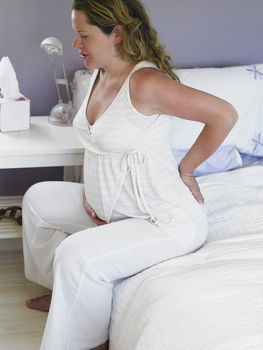
Tips for Dealing with Back Pain Caused by pregnancy

There are many things associated with the wonderful experience of pregnancy.  Unfortunately for many women back pain can be a very real challenge.  Back pain can be common both during and following child birth.  If you or someone you know is experiencing back pain you are invited to continue reading for helpful suggestions.

Although there are some modifications necessary for safety and comfort, massage and chiropractic can be very helpful during and following the pregnancy process.  The chiropractic focuses on taking pressure off of the nerves by aligning the lumbar spine and hips.  Complementing the chiropractic or manipulation are various types of massage that can provide muscle balance and increased range of motion.  Both forms of therapies are natural and safe under the supervision of a licensed massage therapist or Doctor of Chiropractic.

Another effective therapy for dealing with back pain and pregnancy is aquatics.  Being able to do simple stretches and movements in the water allows for pain reduction and increased mobility without the challenges of much gravity or weight bearing.  Consult a doctor regarding appropriate length of time and exercise protocols as well as recommend temperatures to assist in both pregnancy and post pregnancy presentations.

An exercise ball can be very helpful in the decrease of back pain for everyone.  Similar to aquatics the ball allows you to stretch and move without the effects of gravity which can create more motion and decrease pain.  This therapy is now commonly taught in pregnancy classes.

The last technique for low back pain and pregnancy is simply that of relaxation.  The mind can be a very powerful force if harnessed correctly.  Due to the body's constant changing during pregnancy, hormonal imbalances can occur creating added stressors.  By being aware of some of these changes in advance and learning to keep calm, this can reduce the chance of muscle tension and back pain.  Relaxation techniques typically involve breathing and meditation to relax the mind and body.

It is important to research all available information especially for natural pain relief.  Obviously, there are significant limitations for medications during pregnancy and although post child birth affords more options for medications, it does not cure the underlying problem which is likely a structural and muscular imbalance.

It doesn't matter if this is your first child or not, don't think that it is normal to experience this type of pain. 

Common, yes far too many women just put up with the pain before and after childbirth as part of the responsibility of motherhood, but it doesn't have to be that way.  You are welcome to click below for additional information.  Congratulations in advance for your expecting or just completed miracle of birth…now do something for yourself, stop the back pain and get some rest…you deserve it.    Best Wishes.


WHAT IS WHEY PROTEIN?

Are you concerned about taking care of your body before and after strenuous activities or workouts? Do you try to avoid supplements that contain additives and possible side effects? I am very particular about what I am putting into my body at all times. I hate the idea of eating or taking something that I am not sure about what it is suppose to do or what side effects may be caused.

If you are interested in better health and improved physical fitness you have surely heard that bodybuilders and other athletes are turning to a simple, natural supplement called whey protein. Whey is the only supplement I take besides my daily multivitamin that I feel safe taking. So lets cover a few questions or concerns many women have about taking protein.

WHY DO ATHLETES USE WHEY PROTEIN?

Protein levels are depleted through exercise. Muscles require amino acids to prevent deterioration, give endurance and build mass. Proteins supply these amino acids to the muscles which is why athletes use whey protein. If you want to gain muscle you have to make sure you have the building blocks for it. Women need protein the same ways that men do so do not be afraid of it.

WHAT IS WHEY PROTEIN?

Commercial whey protein comes from cow's milk. Whey is the by-product of making cheese and was usually thrown away as a waste product. Now researchers know that whey protein is high quality, natural protein that is rich with amino acids essential for good health and muscle building. It is naturally found in mother's milk and also used in baby formula. It is being considered for use as a fortifier of grain products because of its considerable health benefits and bland flavor.

Although protein is also found in other foods such as meat, soy and vegetables, whey protein is proven to have the highest absorption (digestion) levels in comparison to all others.

WHO SHOULD CONSIDER USING WHEY PROTEIN?

Whey protein has many health benefits including immune support, bone health, sports health, weight management and overall well being. And as women, we need all the help we can get to keep out bones strong and supportive. Plus overall health is not a bad thing either. The better nutrition you have in your life the less likely that the flu or other bugs will come knocking on your door.

Because amino acids are 'building blocks' for the human body it is sometimes used by patients to speed up the healing of wounds or burns.

The high quality protein that comes from whey makes it a recommended choice for those who need optimal benefits from restricted diets including diabetics, those on weight management diets and even ill patients not able to consume enough protein in their diet to assist with healing.

CAN WHEY PROTEIN BE DANGEROUS?

Whey protein is a food and so it does not  have the risks associated with other supplements. That said, too much of anything carries risks. Extremely high use of whey protein can overload the liver which can cause serious problems. Moderation is always recommended.

If you are lactose intolerant you might try whey protein isolate which has less than 1% lactose and should be tolerable for most users.

Whey protein is a natural and healthy way to bring protein into your diet and increase well being.

WILL WHEY BULK ME UP?

No, women lack the hormones that men have that allow them to get those large bulky muscles. Women will get an overall toned appearance without looking like the Hulk. Those women you see in body building competitions more often than not achieve their unusual frame by injecting additional hormones or supplements into their body. But no, with the use of whey you will not look like these women.

SOME TRICKS WITH WHEY

If you buy the powder you will be able to do a lot more than just simple shakes. But for shakes be create.
Mix the whey with milk and maybe add some strawberries or blueberries to make the best shakes around!
When you bake cookies scoop some whey in for a power cookie
If you drink coffee but some chocolate whey in to make a great mocha

The possibilities are endless, get your creative juices going!


How to help my spouse with depression panic attacks?

How to help my spouse with depression panic attacks? If you have been asking that question lately, you are hardly alone.

Panic attacks related to, or in addition to depression affects around 20 million Americans at any given time. If you have a husband or wife suffering from these panic attacks, read on to find out some simple ways you could help them.

While depression and anxiety are not the same, it seems that they go hand-in-hand in many cases. A person who has had panic attacks for a long time often becomes depressed when thinking about living with anxiety any longer.

Likewise, a person with depression may have many of the symptoms of an anxiety disorder, and may or may not have full-blown panic attacks on a regular basis.

So, if your husband/wife has panic attacks brought on by depression or simply brought on by an existing anxiety disorder, there are some things that you can do to help your spouse through this tough time in their life.

Become knowledgeable about anxiety:

Getting as much information as you can about anxiety and panic attacks will really benefit the both of you very much. Although it is your spouse who must make the ultimate change to conquer anxiety, if you understand what he/she is going through and are understanding, you stand a better chance at defeating the disorder as a team.

If your wife or husband often changes plans to accommodate their anxious mood, you may become agitated, but knowing why this happens is crucial to understanding that they don't mean to be this way, they just can't help it many times.

Anxiety sufferers often don't think the same way as you may think about a given situation, and although it may be tough for you, you will help them a lot by simply understanding that their thought process is simply different from that of a non-anxious person.


Be supportive:

It can be really frustrating living with someone who has an anxiety disorder, but the worst thing that you can do as a spouse is to criticize them for their behavior.

Encouraging healthy behavior to an anxious person is a really simple, and great thing that you can do for them. Something as simple as going to an event, whether it be a family outing or a simple dinner can often times be a very big move on their part.

If a small step is taken by your spouse to try to live anxiety-free, encourage that behavior and be proud of what they have accomplished. There's no need to over-do it by any means, just be supportive of anything they can do that is positive.

On the same token, you need to avoid criticizing them for the times when they do avoid certain situations.

A person who suffers from anxiety and panic attacks often thinks that if they had a panic attack doing a certain thing, or being in a certain place that they are more prone to having further attacks by doing that specific activity again.

While you know this does not make much sense, in the mind of an anxious person this is perfectly rational behavior, and patience with them is needed to overcome their anxiety.

Helping them through a panic attack:

If you find yourself right in the middle of your spouse's panic attack, just be patient and re-assuring to them. A person in the middle of extreme panic does not process thoughts the same as a calm person, so they may need to go off by themselves for a few minutes.

If this is the case, do your best to help them through the attack, and try to remember that they didn't choose a panic attack to happen to them. They feel bad enough just being anxious, so there is no need to make them feel worse by blaming them for ruining your good time or criticizing them for a disorder they can not control.

Most sufferers find that someone who understands what they are going through is enough, and since panic attacks don't last for hours on end, you will help them greatly by being patient with them while they are feeling anxious.
So my friend, if you have been asking the question; "how to help my spouse with depression panic attacks ", you could follow the advice I gave above which will help your spouse a great deal to start with.


Anemia – The RBC Deficiency and Pregnancy

Anemia is a term derived from the Greek ‘anaimia’ meaning the lack of blood. Anemia is actually the lack of RBC – red blood cells or the lack of hemoglobin in the blood. The hemoglobin is found inside the RBCs and it carries oxygen to the tissues from the lungs. As the quantity of hemoglobin decreases, there is a lack of oxygen in the organs – a condition called hypoxia. The varying degree of anemia has different consequences.

The most common disorder of blood is anemia, and it is of several kinds caused due to various underlying reasons. Anemia can be mainly categorized into deficient RBC production, excessive blood loss and excessive blood cell destruction.

The low count of red blood cells causes a variety of signs and symptoms and can make any other underlying medical condition worse. Anemia symptoms may include weakness, light-headedness, paleness, fatigue, shortness of breath, palpitations while severe anemia symptoms may be dizziness, passing out, chest pain, rapid heart rate, angina or heart attack. Presence of anemia may be felt due to symptoms like change in stool color, low BP, jaundice, spleen enlargement or rapid breathing.

Anemia during pregnancy is a common occurrence among women as the demand for vitamins and iron increases in the body. It is necessary for a mother to increase the production of RBCs in the body which is also used by the placenta and the fetus. The body starts producing more RBCs and plasma but the increase is not proportionate. The plasma amount is disproportionately greater than the RBCS and hence blood is diluted. As the RBCs are lesser, there is a fall in hemoglobin concentration. In such cases, medical products like iron supplement pills and medical tests like serum ferritin is the best way to keep a check. Iron deficiency may also be caused due to a low-iron diet, lack of folic acid in the diet or loss of blood due to bleeding from piles or ulcers.

A pregnant woman will generally not have anemia symptoms except when the hemoglobin is below 8g/dl. Starting with paleness and tiredness, the mother may experience palpitations or chest pain if anemia is severe (hemoglobin drops to 6g/dl). Pregnant women should take care about anemia by emphasizing on varied diet, consulting the doctor about food and supplements intake during pregnancy, intake of good sources of iron and supplements of iron, vitamins and especially folic acid, so that the child does not suffer from the problem of spina bifida. Pregnancy is a fragile condition and one should be very careful and alert. Rest and proper food always proves to be good for the child.

By Jennifer C Stone